
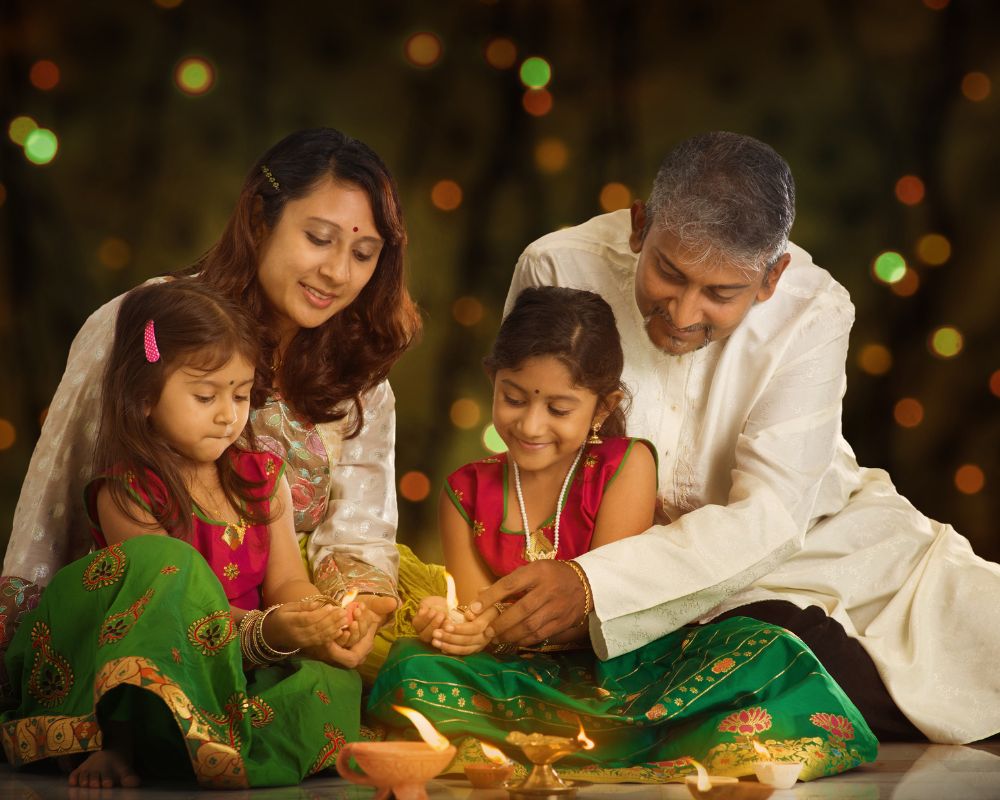
Tihar – The Festival of Lights & Divine Gratitude

Tihar, also known as Deepawali or Yamapanchak, is one of Nepal’s most cherished Hindu festivals. Celebrated over five days, Tihar radiates with devotion, color, lights, and music. It honors the divine connection between humans, animals, and deities while celebrating wealth, harmony, and life itself.

Spiritual & Cultural Significance: Tihar marks the harmonious balance between nature, gods, and humans. Each day is dedicated to honoring a different entity—ranging from crows to the goddess of wealth, Laxmi. Homes are illuminated with oil lamps, candles, and vibrant rangolis (colorful floor designs), symbolizing the triumph of light over darkness and prosperity over scarcity.

Five Sacred Days of Tihar:

  1. Kaag Tihar (Crow Worship): The festival begins with the worship of crows—messengers of Yama, the god of death. Devotees offer rice and sweets on rooftops or in the streets to please them and avert misfortune.

  2. Kukur Tihar (Dog Worship): Dogs, revered as loyal companions and guardians of the afterlife, are worshipped with garlands (mala), tika, and delicious food. This day recognizes the sacred bond between humans and dogs.

  3. Gai Tihar and Laxmi Puja (Cow Worship & Goddess of Wealth): Cows, considered symbols of motherhood and prosperity, are adorned and offered special treats. In the evening, households welcome Goddess Laxmi with glowing oil lamps, candles, and traditional pujas. It is believed she visits the cleanest and brightest homes to bless them with wealth and fortune.

  4. Govardhan Puja or Mha Puja: This day has dual significance. Govardhan Puja honors Lord Krishna for lifting the Govardhan hill to protect devotees. Simultaneously, Newar communities celebrate Mha Puja—self-purification and soul honoring—marking the Newari New Year.

  5. Bhai Tika (Brother-Sister Celebration): The final and most emotional day of Tihar is devoted to the bond between brothers and sisters. Sisters perform a special puja, apply seven-colored tika, offer garlands and sweets, and pray for their brothers’ longevity and happiness. In return, brothers gift blessings and presents.

Festive Traditions:

  • Decorating homes with oil lamps, candles, and electric lights

  • Creating beautiful rangolis and footprints of Goddess Laxmi

  • Playing traditional bhailo and deusi songs

  • Sharing sweets, sel roti, fruits, and gifts with family and neighbors

Vedic Pasal’s Offerings: Celebrate Tihar with our Premium Tihar Puja Samagri Kits, crafted to include everything needed for all five days:

  Oil lamps (diyo), wicks, and ghee
  Tika colors, incense sticks, and garlands
  Goddess Laxmi idols, coins, and decorations
  Sacred threads, sweets, and animal-friendly treats

   Rangoli powders and decorative items

Each item is ethically sourced and spiritually blessed for your rituals.

Illuminate your home with devotion this Tihar. Let Vedic Pasal be your trusted companion in upholding tradition, purity, and joy.

Recent Blogs

Sacred Books Every Devotee Should Own: From Gita to Swasthani

Real-Life Stories of Devotees Experiencing the Power of Mantras

Choosing the Right Puja Samagri for Every Occasion

Step-by-Step Guide to Daily Puja at Home

New Title

More Festivals & Rituals

Mahabharata (महाभारत) – The Great Battle of Kurukshetra

The Mahabharata, written by the sage Vyasa, is the longest epic in the world. It recounts the story of the Kuru dynasty and the great war of Kurukshetra between the Pandavas and the Kauravas. Beyond the narrative of the war, the Mahabharata provides profound insights into the concepts of justice, duty, loyalty, and morality. At […]

Ramayana (रामायण) – The Story of Lord Rama’s Exile and Triumph

The Ramayana is one of the oldest and most revered epics in Hinduism, attributed to the sage Valmiki. It tells the divine story of Lord Rama, an incarnation of Lord Vishnu, and his journey to rescue his wife, Sita, from the demon king Ravana. The Ramayana is not only an adventure tale but a spiritual […]

Griha Pravesh (गृह प्रवेश) – The Sacred Housewarming Ceremony

Griha Pravesh, or the Housewarming Ritual, is one of the most significant and spiritually uplifting ceremonies in Hindu tradition. It marks the auspicious entry of a family into a new home and invokes divine blessings for peace, prosperity, and protection. Deeply rooted in Vedic customs, this ritual purifies the space, wards off negative energies, and […]

Annaprashan (First Rice Feeding Ceremony) – A Sacred Milestone in a Child’s Life

Annaprashan, also known as “Anna Prashan” or “Annaprasana,” is a cherished Hindu ritual that marks an infant’s transition from exclusive breastfeeding to consuming solid food—typically rice—for the first time. Rooted in ancient Vedic tradition, this ceremony is both a cultural and spiritual celebration symbolizing nourishment, growth, and blessings for a healthy life.  Meaning and Etymology: […]

Satyanarayan Katha – A Sacred Ritual of Devotion, Gratitude & Blessings

The Satyanarayan Katha is one of the most revered Vedic rituals observed by Hindus to express gratitude to Lord Vishnu in his benevolent form as Satyanarayan, the embodiment of truth and sustainer of the universe. This auspicious ritual is performed to seek divine blessings for prosperity, health, happiness, and the fulfillment of desires. Spiritual Significance: […]

Dashain – The Festival of Victory of Good over Evil

Dashain, also known as Vijaya Dashami, is the most significant and widely celebrated Hindu festival in Nepal. Dedicated to Goddess Durga, Dashain symbolizes the triumph of righteousness over evil, as commemorated through the victory of Goddess Durga over the demon Mahishasura. 🕉️ Spiritual Significance: Dashain spans 15 days and falls during the bright lunar fortnight […]