Rama’s Quest for Truth and Goodness
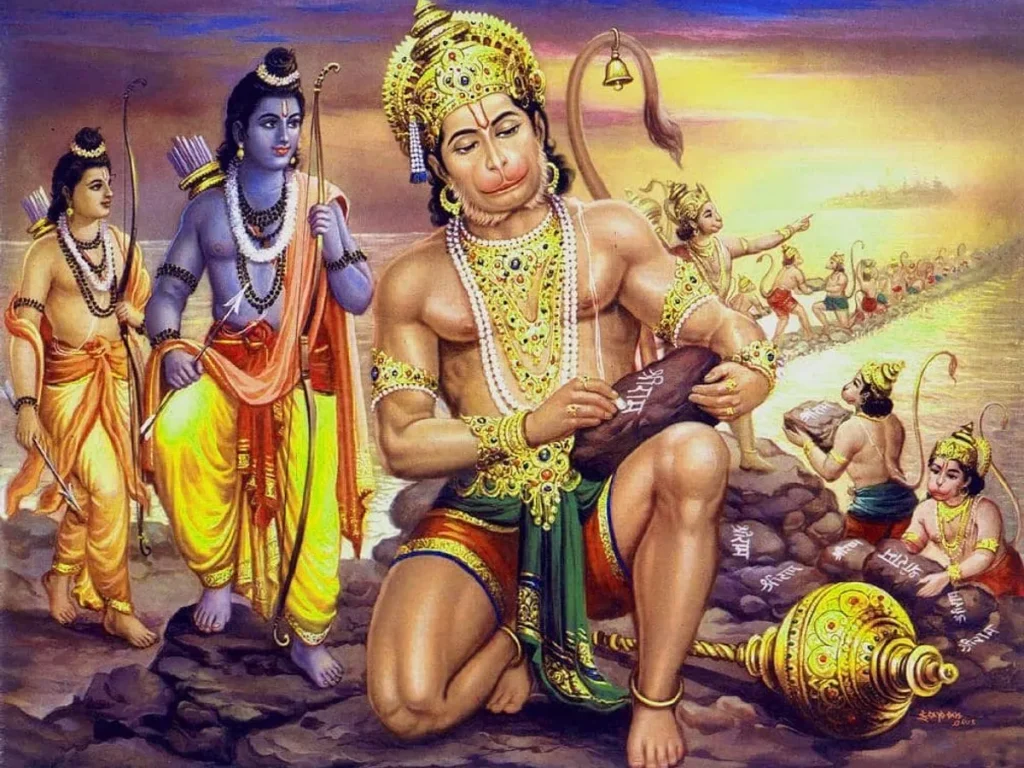
Rama’s journey is not just a physical one but also a quest for truth and goodness. When he is exiled from his kingdom, he faces trials that test his strength, character, and resolve.
Fun Fables from the Panchatantra
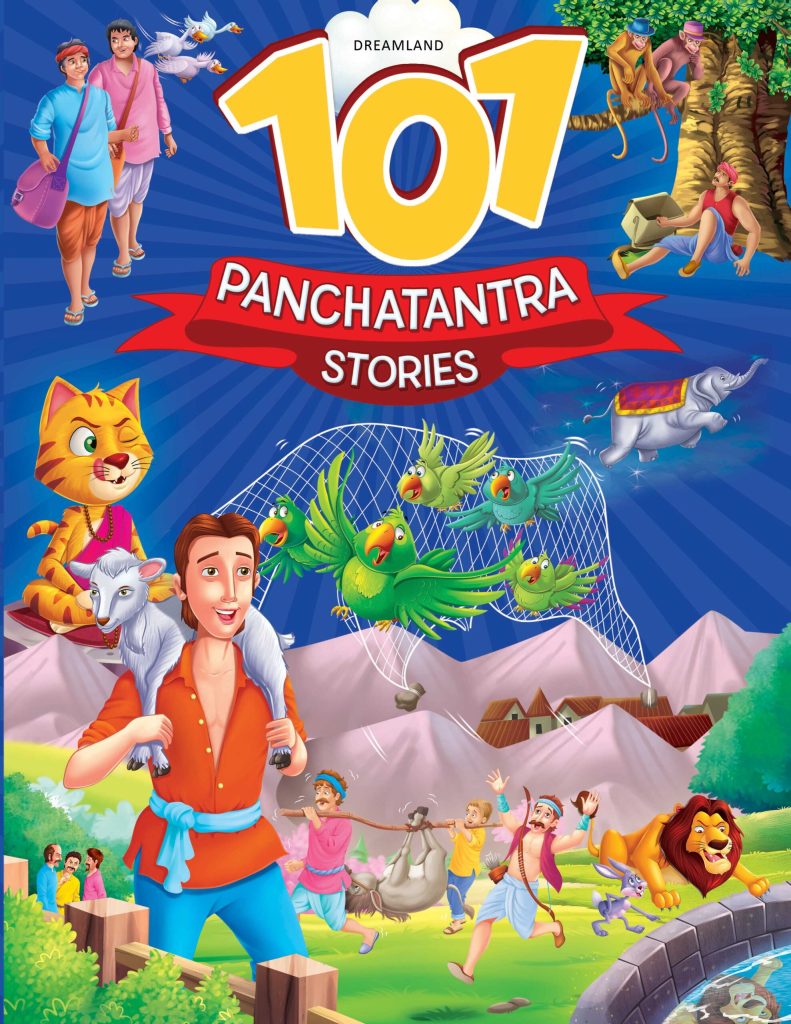
The Panchatantra is a collection of delightful animal stories filled with lessons about wisdom, honesty, and teamwork. Each fable features clever animals who face various challenges in their forest homes.
Arjuna’s Courage and Krishna’s Wisdom:

Arjuna, a mighty warrior, faces his toughest battle—one not just of strength, but of moral choices. With his heart full of doubt, he turns to Lord Krishna, his friend and guide, for advice.
The Adventures of Lord Rama

Lord Rama, the prince of Ayodhya, embarks on a remarkable journey filled with bravery, friendship, and righteousness. From his exile into the forest to the epic battle against the demon king Ravana, his adventures teach us the value of honor, loyalty, and truth. Rama’s loyal brother, Lakshmana, and his devoted companion, Hanuman, stand by him through every challenge, making their journey even more thrilling.
Shree Swasthani Brata Katha
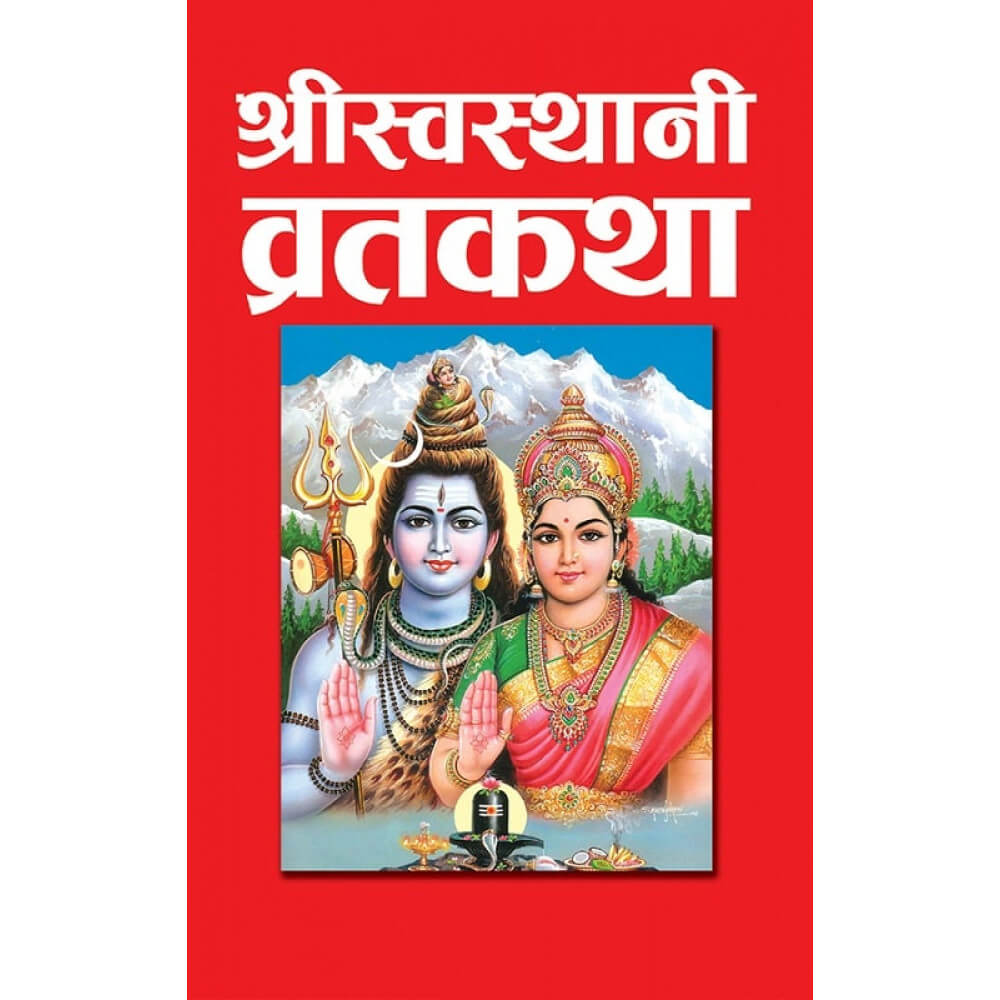
Shree Swasthani Brata Katha is a revered Nepali Hindu scripture that narrates the divine stories of Goddess Swasthani, Lord Shiva, and Parvati. Traditionally read during the Swasthani Brata month (Magh), the stories emphasize devotion, purity, patience, and moral discipline.
Bhagavad Gita
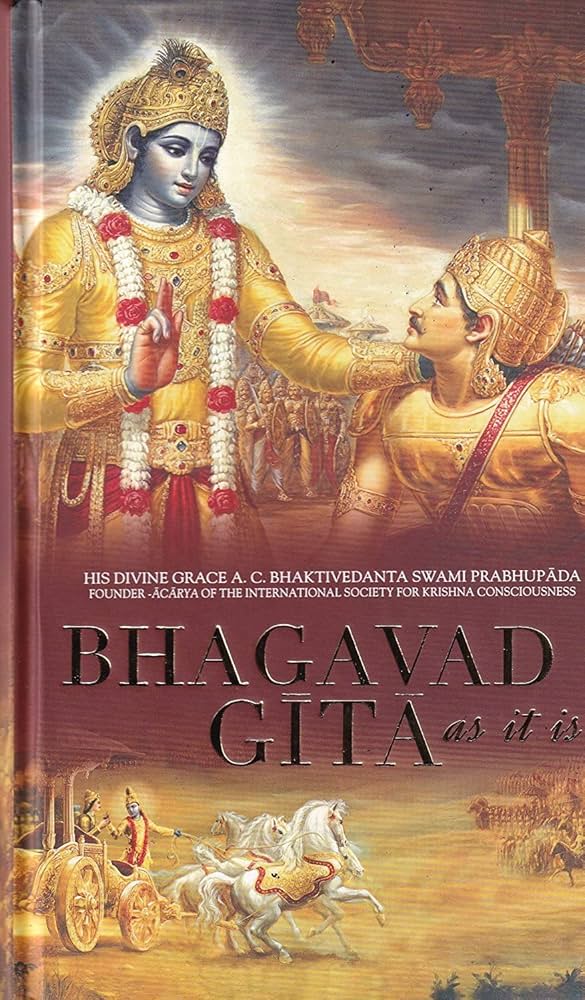
The Bhagavad Gita, often referred to as the “Song of God”, is a 700-verse sacred scripture that is part of the Indian epic Mahabharata. It is a profound spiritual dialogue between Lord Krishna and the warrior Arjuna, addressing the complexities of life, duty, and righteousness.
Vedas & Upanishads

The Vedas are the oldest and most authoritative scriptures of Hinduism, forming the foundation of spiritual knowledge in Sanatan Dharma. Divided into four—Rigveda, Samaveda, Yajurveda, and Atharvaveda—they contain hymns, rituals, and philosophical teachings that guide spiritual practice and daily living.
Hanuman Chalisa

The Hanuman Chalisa is a sacred devotional hymn composed by the poet-saint Goswami Tulsidas in the Awadhi language. Dedicated to Lord Hanuman, the embodiment of strength, devotion, and selfless service, this 40-verse composition holds a special place in the hearts of millions of devotees.
Puranas & Epics (पुराण र महाकाव्य)

This course invites you to delve deep into the timeless epics and Puranas that form the cultural and moral backbone of Hindu tradition. Through engaging storytelling and moral analysis, explore the lives and lessons of characters from the Ramayana and Mahabharata.
Sanskrit Learning (संस्कृत भाषा)

Learning Sanskrit opens the door to understanding ancient scriptures, mantras, and Hindu philosophy in their purest form. This course offers a structured approach to learning Sanskrit, starting from the Devanagari script, pronunciation of vowels and consonants, and moving towards grammar, vocabulary, and sentence formation.
Bhagavad Gita (श्रीमद्भगवद्गीता)
The Bhagavad Gita is a 700-verse scripture forming part of the Mahabharata. In this course, each chapter of the Gita is studied with commentary and real-life interpretations. You will explore the three key paths of yoga: Karma Yoga (path of action), Bhakti Yoga (path of devotion), and Jnana Yoga (path of knowledge).
Vedas & Upanishads (वेद र उपनिषद्)

The Vedas are the oldest sacred texts of Hinduism, divided into four main scriptures: Rigveda, Samaveda, Yajurveda, and Atharvaveda. Each Veda contains hymns, chants, rituals, and philosophical teachings that serve as the foundation of Sanatan Dharma. In this course, you will be introduced to the core concepts, structure, and purposes of each Veda. Alongside, you’ll explore the Upanishads, which are philosophical texts that delve into the nature of the Self (Atman), the Supreme Reality (Brahman), and the path to liberation (Moksha). Key teachings such as “Tat Tvam Asi” and “Aham Brahmasmi” are explained in the context of daily life. Students will also learn how to relate Vedic principles to modern-day situations such as stress management, ethical living, and spiritual growth. This course is ideal for those seeking a deeper understanding of Hinduism’s spiritual roots and their practical applications